
BEST PORTUGAL BRANDS
Joana Beirão's article
“A reflection from the exhibition «The New Classics of Portuguese Design» on the importance of bringing design and national production closer to people's daily lives.”
There is a question that has been with us for a few years: Why do we continue to know so little, what we do so well?
Portugal is internationally recognized for the quality of its designers, architects, artists, manufacturers and industries. We produce furniture, lighting, textiles, ceramics, stone, cork and objects that find a place in hotels, museums, galleries, international fairs and architectural projects around the world. However, paradoxically, A large part of this reality remains far from everyday view, of those who live in their own country.
It was precisely from this observation that the pop-up exhibition was born “The New Classics of Brazilian Design”, presented at BPI All in One Lisbon.
More than an exhibition, the project sought to be an experience of bringing. An attempt to take Portuguese design into unexpected territory, a banking space, frequented daily by people with different backgrounds, interests and levels of knowledge about design.
The choice of location was not accidental
For decades, design has become accustomed to communicating mainly with specialized audiences. Fairs, galleries, museums, design weeks and specialist publications continue to play a key role, but perhaps it is time to recognize that the cultural appreciation of design also depends on its ability to find new contexts of visibility.
A Bank is not, to depart, an exhibition space. And that was precisely why it seemed interesting to us.
At a time when Lisbon asserts itself as a global city, visited and inhabited by people of multiple nationalities, It becomes even more important to create opportunities to showcase what is produced here. Not just for international visitors, but also to the Portuguese themselves, who are often unaware of the wealth of contemporary creative heritage that exists around them.
With an exhibition concept developed in collaboration with designer Ana Lia Santos, graphic identity author, illustration and layout of the initiative, the exhibition brought together pieces by renowned authors and emerging creators, taking a deliberately inclusive stance on what we understand by project culture.
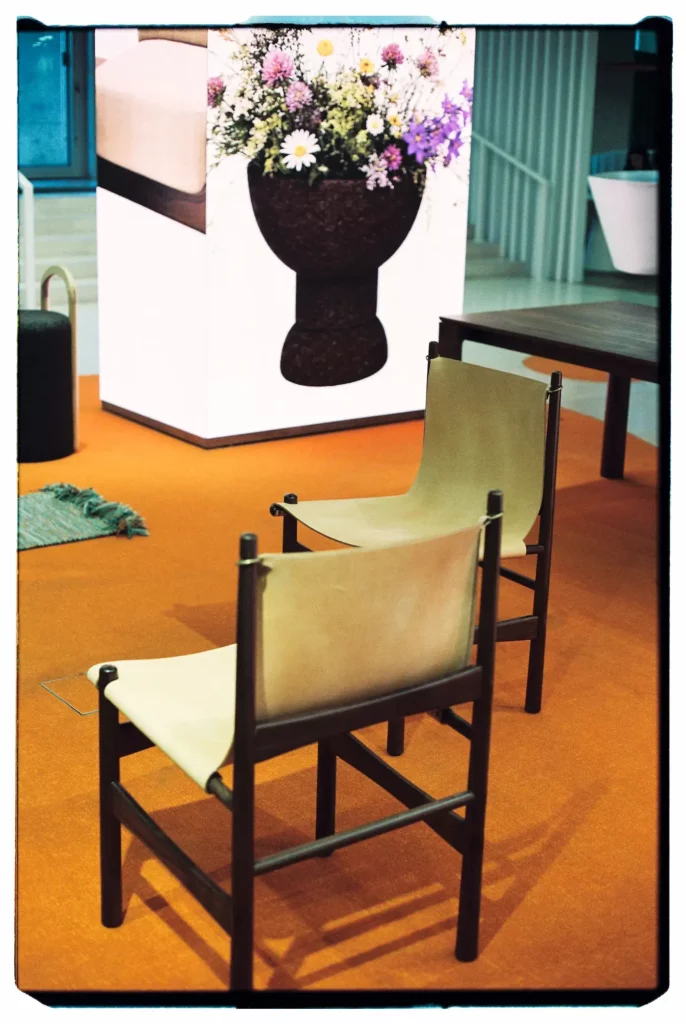
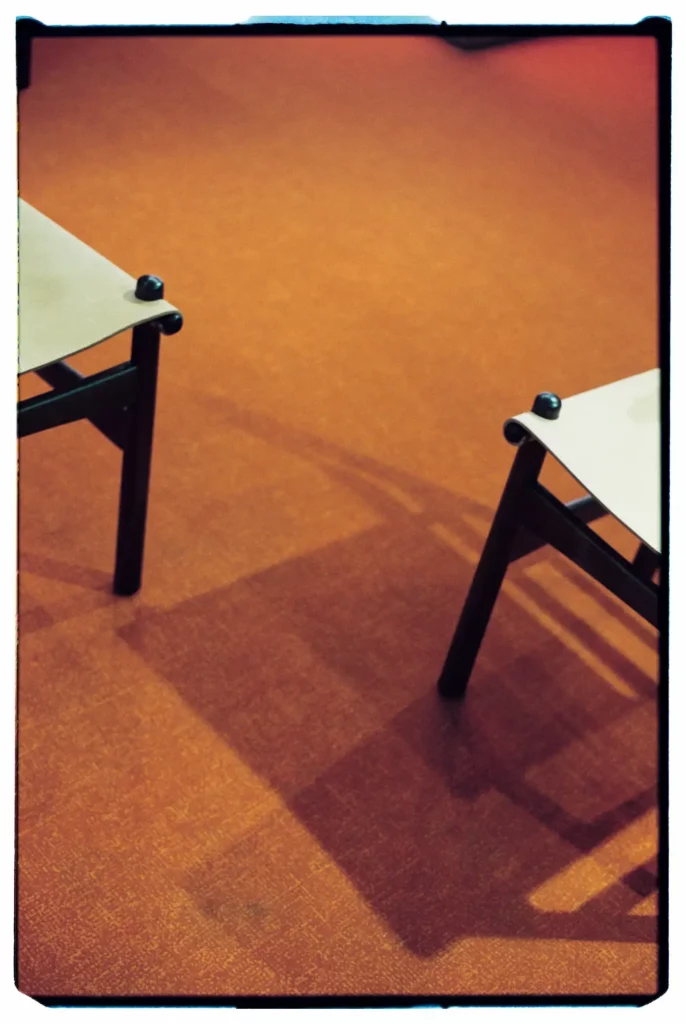
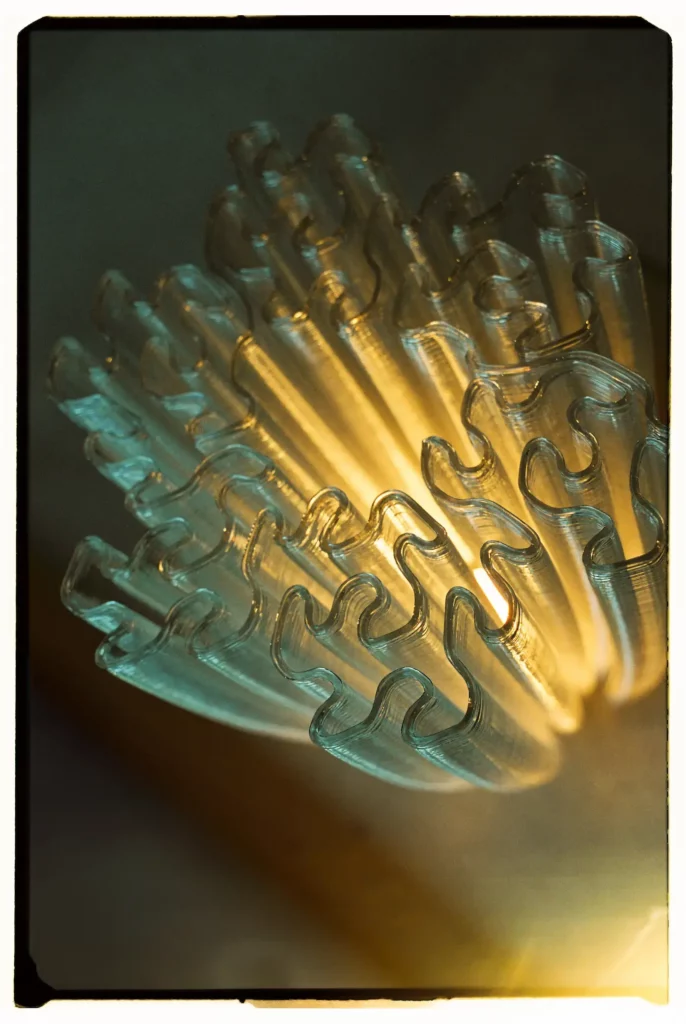
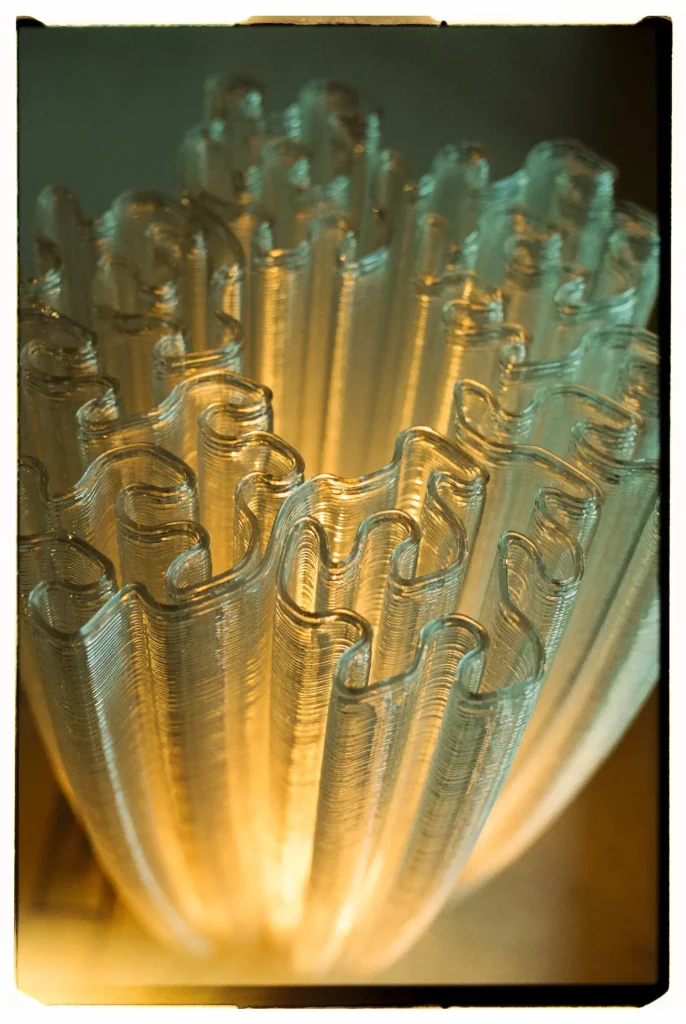
Alongside widely recognized names, like architect Miguel Arruda, new artists also emerged, designers and creators for whom this participation represented an opportunity for exposure, learning and growth. In several cases, the initiative even took on an informal mentoring dimension, bringing generations together and creating conditions for new voices to find space for representation.
The exhibition also hosted prototypes and experimental pieces, among them the Jardinières planters designed by Ana Lia Santos, demonstrating that creation processes are as relevant as completed objects. Showing an idea in development is also a way of valuing project thinking and bringing the public closer to the invisible stages of creation.
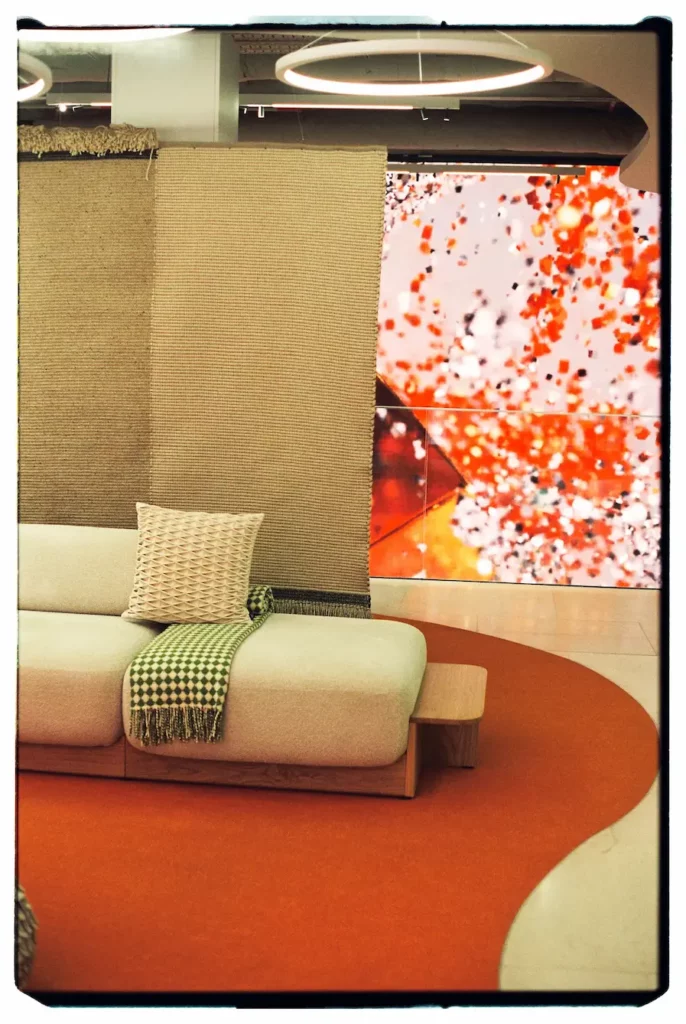
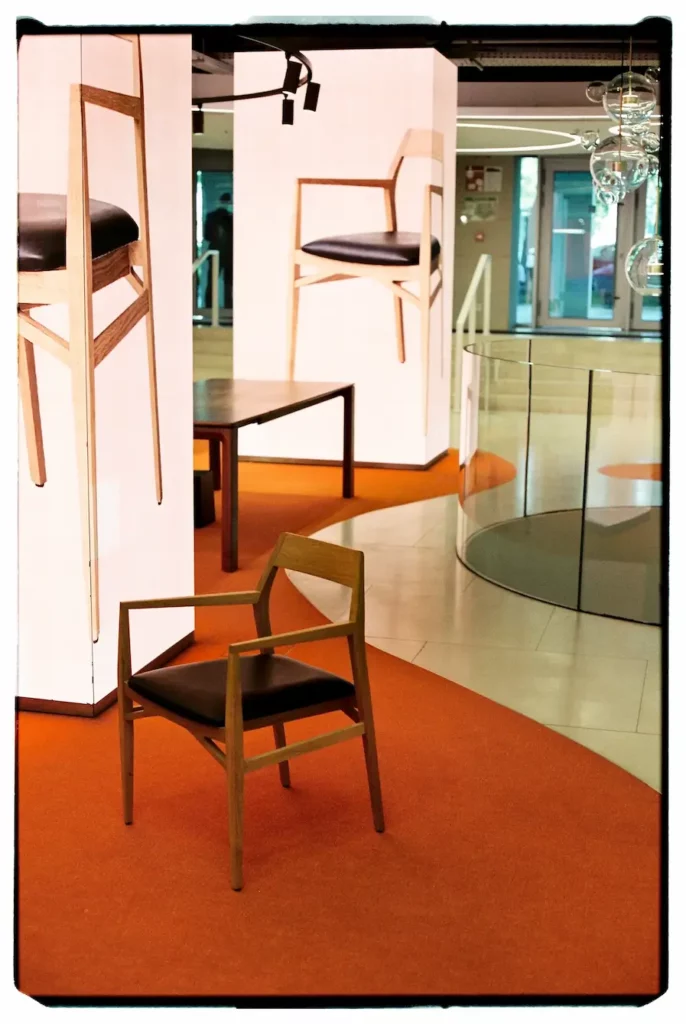
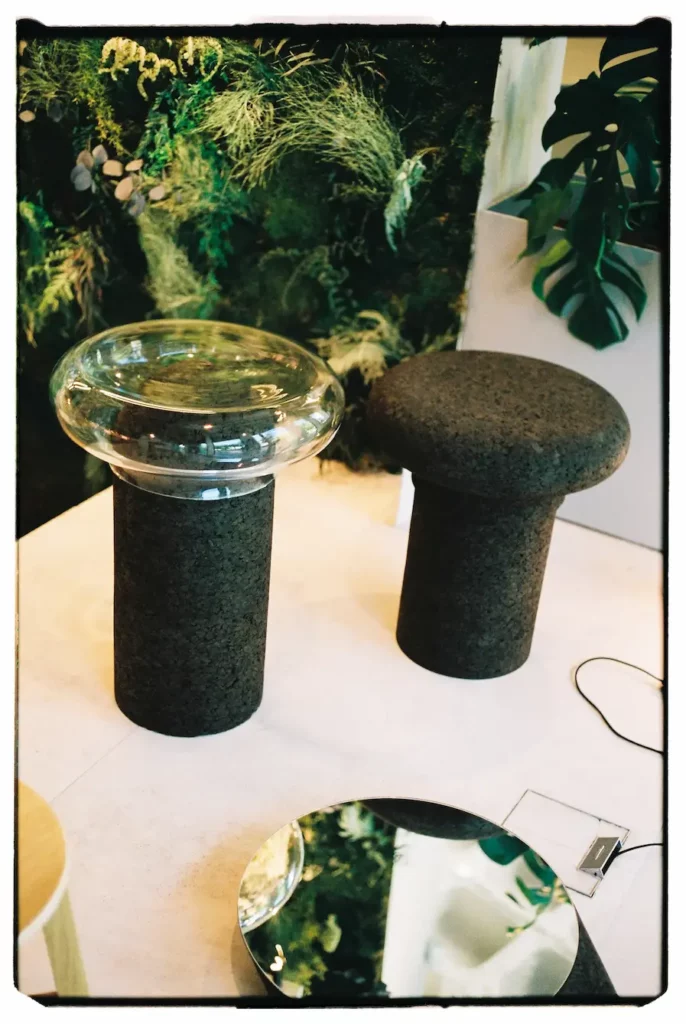
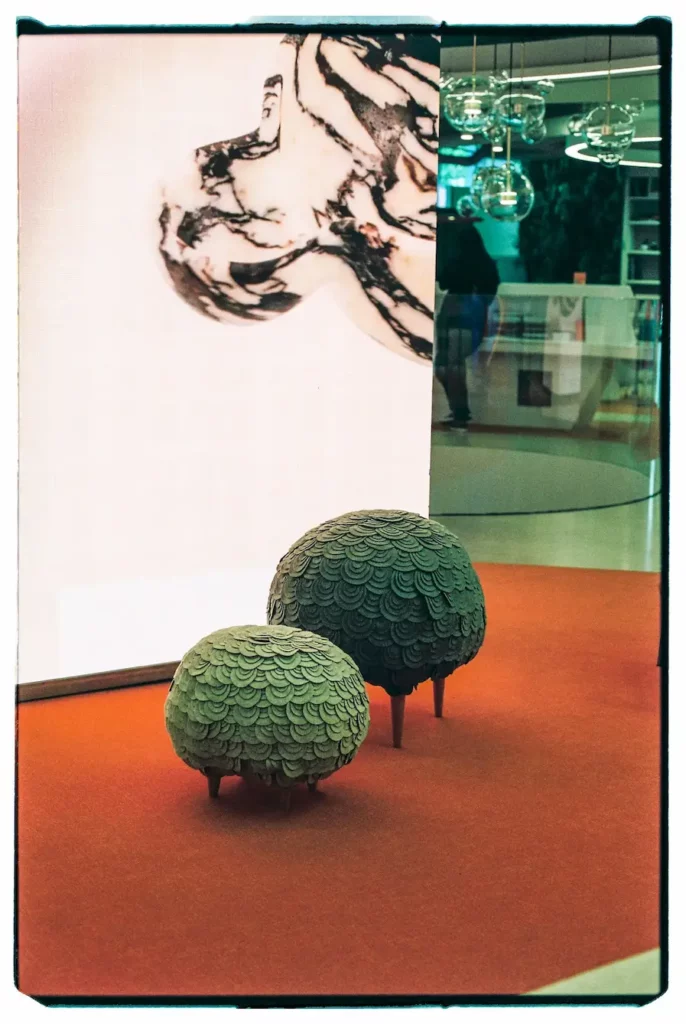
Perhaps it was this diversity that made the exhibition particularly representative of the current moment in Portuguese design.. An ecosystem where industry and craftsmanship coexist, tradition and innovation, consolidated production and experimental research.
After the exhibition closes, we seek to preserve this memory through two distinct registers.
The video, accompanied only by a piano composition, documents the experience of space, visitor routes, the relationship between people and objects, moments of observation and discovery. More than showing pieces, seeks to capture the atmosphere created.
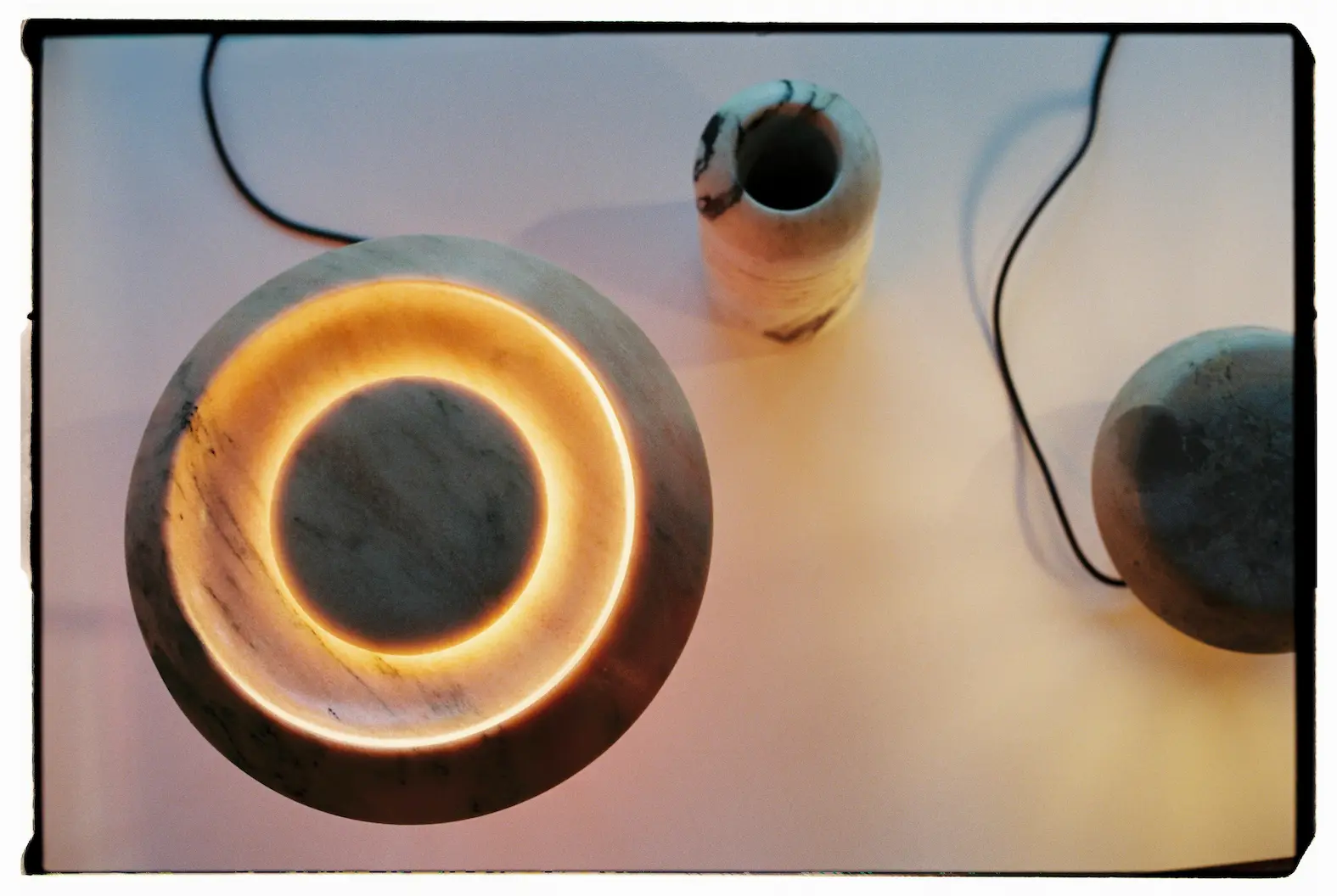 Analog images follow a similar logic. In a time dominated by the speed of digital, the option for film was a conscious choice. Like many of the objects presented, Analog photography also values time, the matter, imperfection and physical presence.
Both records seek to preserve something that often escapes conventional documentation, the human dimension of experience.
Why, not final, the point was never just to exhibit pieces. The question was to understand how we can create new encounters between people and Portuguese design and production.
If we want design to be recognized as an integral part of our contemporary culture – and we want – so he needs to be present in the places where life happens. Needs to appear in unexpected spaces, cross different audiences and integrate contexts that do not usually belong to it.
“The New Classics of Brazilian Design” took his first step on this path, and we like the compliment of having done it in a honest.
And it won't be the last.
The next projects are already under development, maintaining the same conviction that gave rise to this initiative: Portuguese design should not be limited to being admired by experts. Must be known, lived and recognized.
From my side, I am available for any project of this type.
Video and image credits
João Carriço; @jjanito isn't following anyone. Autodesk_new (Instagram); Carlota Pinto da Silva @_dontbeapasco (Instagram)